Social media listening is the process of tracking and analyzing social media conversations about a brand or topic. It is a way to gather insights about what people are saying about your brand, your competitors, and the industry in general. This involves using tools and techniques to track mentions, comments, and other user-generated content across social media channels like Twitter, Facebook, Instagram, and LinkedIn.
Social media listening and monitoring are often used interchangeably but actually refer to different aspects of social media analysis. Social media listening is more focused on offering a whole picture of all online conversations related to a specific brand, including products, industry sectors, and competitors, and social media monitoring looks at particular brand, product, and industry sector mentions and sends alerts so you can respond to any negative or positive consumer sentiment or complain. Social media monitoring can be done manually or with the help of software like hootsuite.com or sproutsocial.com. It doesn’t give you the whole picture but helps you react when situations occur.
According to hootsuite.com, “While social media listening is a proactive way to track, analyze, and respond to online conversations, social media monitoring is more reactive.”
Social media listening is a comprehensive approach to understanding what is happening with your products or services, your brand, in the industry, and with certain politicians or celebrities. Any business needs a social media strategy; it’s not only an editorial calendar and posts every day or trying to generate leads, sales, and conversions, this is important, but also it’s essential to listen to your customers and monitor what is happening not only with your brand but also what are your competitors are doing.
Having a social media presence can be beneficial because it is the easier way to reach and engage with a large number of consumers, but it also can be damaging if you ignore comments and mentions.
Handling and avoiding crisis
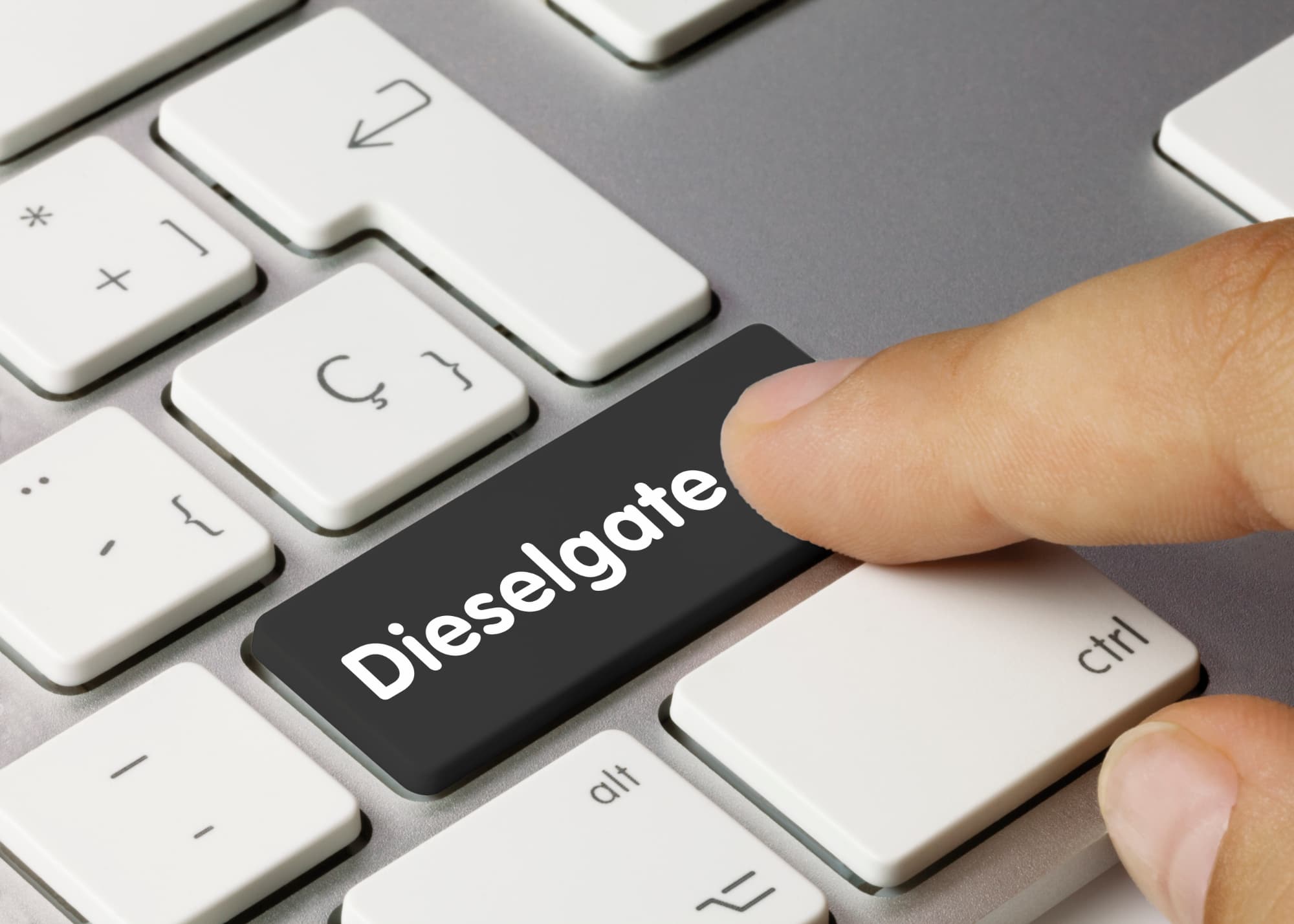
By 2015 one of the biggest car manufacturers in the world, Volkswagen Group, was facing a gigantic crisis that the experts called “the diesel gate.”
The diesel gate was a scandal that came to light in September 2015, when the US Environmental Protection Agency (EPA) issued a notice of violation against Volkswagen (VW) for using software to cheat emissions tests in its diesel vehicles.
The software, known as a “defeat device,” was designed to detect when the vehicle was being tested for emissions and would reduce harmful nitrogen oxide (NOx) emissions to meet regulatory standards. However, in real-world driving conditions, the cars emitted up to 40 times the legal limit of NOx, causing significant environmental damage and potentially harming public health.
Per reuters.com “Volkswagen says diesel scandal has cost it 31.3 billion euros, ” around 33.9 billion US dollars.
The costs of the scandal include fines, settlements, compensation, and the cost of recalling and repairing affected vehicles. Volkswagen has paid billions of dollars in fines and settlements to various governments and regulatory bodies worldwide, including $4.3 billion to settle criminal charges in the United States and $1.2 billion to settle a class-action lawsuit in Canada.
In addition to these costs, Volkswagen has also had to buy back or repair affected vehicles, which has been a massive logistical and financial undertaking. The company has set aside over $18 billion for this purpose and has repurchased or repaired over 11 million vehicles worldwide. Several people have been sentenced to prison due to the Volkswagen diesel gate scandal in the USA and Germany. This scandal involved the Volkswagen and Volkswagen trucks brands, Audi, Porche, Skoda, and Seat.
This video explains in detail the diesel gate
Social media, lack of response, and angry owners
Volkswagen faced significant criticism for handling the diesel gate scandal through social media. The company’s initial response was seen as slow and inadequate, which led to further anger and frustration among customers and the general public.
Examples of some of social media posts by very disappointed VW owners: (no names provided for privacy reasons)
- September 19, 2015: “Thanks, Volkswagen, for lying to us about your ‘clean diesel’ cars. I bought one in good faith and now it’s worthless.” – A tweet from a Volkswagen owner expressing disappointment and frustration with the company’s actions.
- October 7, 2015: “I can’t believe I fell for Volkswagen’s ‘clean diesel’ marketing. Shame on me for not doing more research, but shame on them for lying.” – A Facebook post from a Volkswagen owner sharing their regret about purchasing a diesel Volkswagen vehicle.
- November 12, 2015: “I trusted Volkswagen to provide me with a reliable, efficient car. Instead, they sold me a dirty, polluting vehicle. It’s time for them to take responsibility.” – A tweet from a Volkswagen owner expressing disappointment with the company’s actions.
The lack of information lasted for months, and people were frustrated. Many attorneys started to represent clients, and a legal battle started. VW started to reply by apologizing, then sending letters and direct communications with the affected people, but it was a bit slow for some customers. Department of Justice handles the case and almost a year later the compensations to owners started.
How did the Volkswagen group overcome this crisis?
In the wake of the dieselgate scandal, Volkswagen took several actions to address the issue and rebuild trust with customers. Some of these actions include:
- Compensation and buyback programs: Volkswagen offered compensation and buyback programs for affected vehicles, allowing customers to return their cars for a refund or buy a new car at a discounted price.
- Fines and settlements: Volkswagen paid significant fines and settlements to governments and regulators worldwide, including a $4.3 billion settlement with the US Department of Justice.
- Management changes: Volkswagen replaced key executives and board members to signal a new direction for the company.
- Increased investment in electric vehicles: Volkswagen announced plans to invest heavily in electric vehicles and shift away from diesel engines in the wake of the scandal.
- Improved testing and compliance procedures: Volkswagen implemented new testing and compliance procedures to ensure that its vehicles meet emissions standards and its operations are transparent and accountable.
- Communication and marketing campaigns: Volkswagen launched several communication and marketing campaigns aimed at rebuilding customer trust, including social media campaigns and new advertising strategies emphasizing the company’s commitment to sustainability and accountability. New logo, female voice to introduce cars at trade shows, etc.
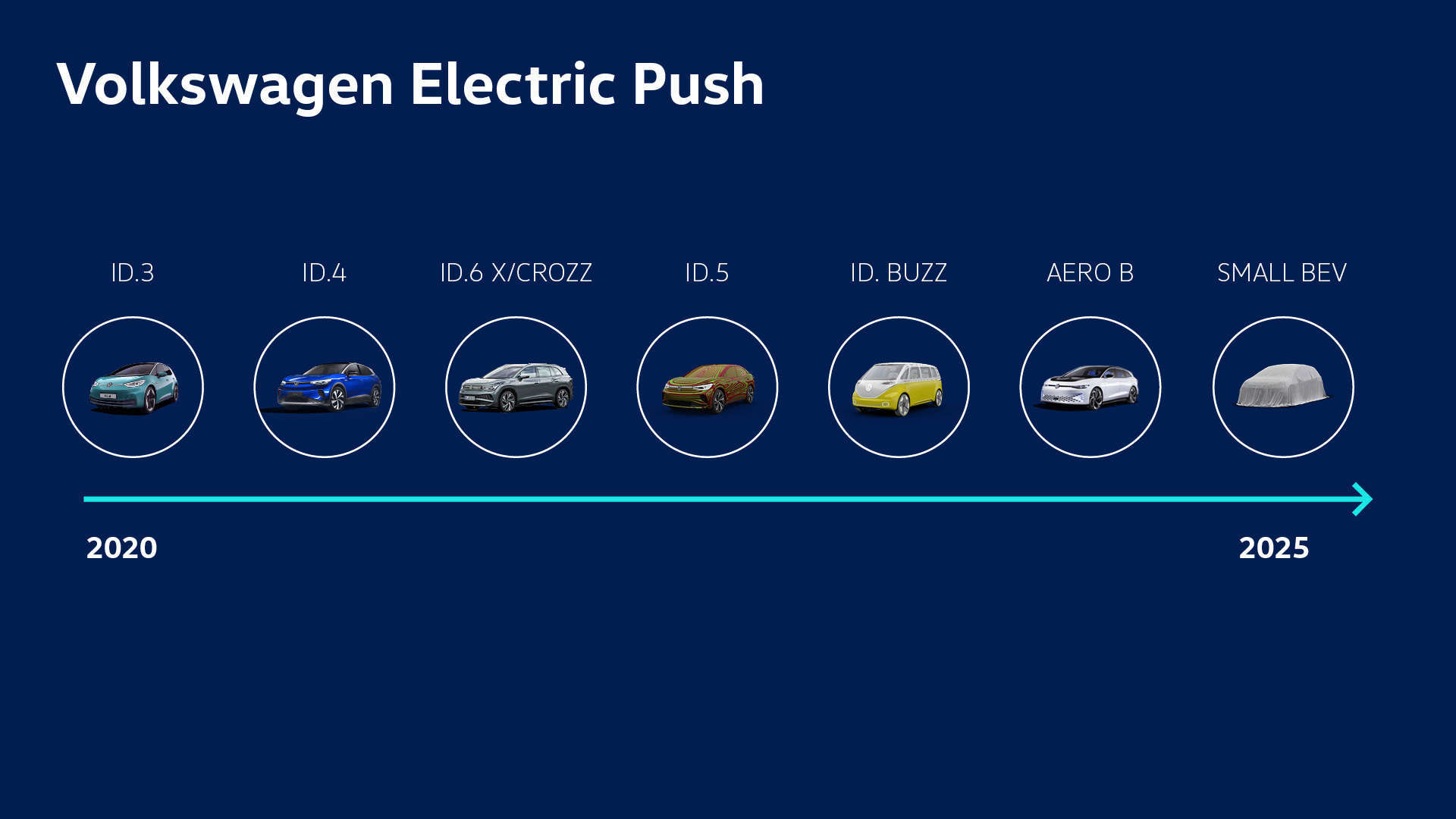
Regarding “zero carbon emissions”, according to VW newsroom, “As early as 2018, the Volkswagen Group became the first vehicle manufacturer to commit to the Paris Agreement – the entire company aims to be carbon neutral by 2050. One key factor in this process is the electrification of the product range. Volkswagen Passenger Cars already managed to deliver more electric vehicles around the world than ever before last year: In total, it delivered over 212,000 electric cars (+158 percent compared to 2019), around 134,000 of which (+197 percent compared to 2019) were battery electric vehicles.”
Despite this crisis, Volkswagen Group is still the second biggest car manufacturer in the world with 6.7% market share, the first one is Toyota with 11.5% market share, and the third one is Honda with 5.4% (Source: statista.com). And the German Automaker is “rethinking the way to build its vehicles with a neutral carbon footprint, to move them forward with green electricity and even to make them disappear with a recycling program.” (VW newsroom). And it looks like this is the path they are taking to regain consumer trust and remain industry leaders.
Jochen Sengpiehl, CMO of Volkswagen, says: “We have created a new holistic global brand experience on all channels and across all touchpoints. As a general principle, the aim in the future will not be to show a perfect advertising world. In our presentation, we want to become more human and lively, to adopt the customer’s perspective to a greater extent, and to tell authentic stories.”
