Social media platforms have become essential to any marketing strategy in today’s digital age. Among them, Instagram has emerged as a dominant player. As of January 2023, according to Statista.com, Instagram had over two billion monthly active users, the world’s fourth most popular social media network.
What is Influencer Marketing?
According to The Digital Marketing Institute, “A social media influencer has established credibility in a specific industry, has access to a huge audience, and can persuade others to act based on their recommendations.”
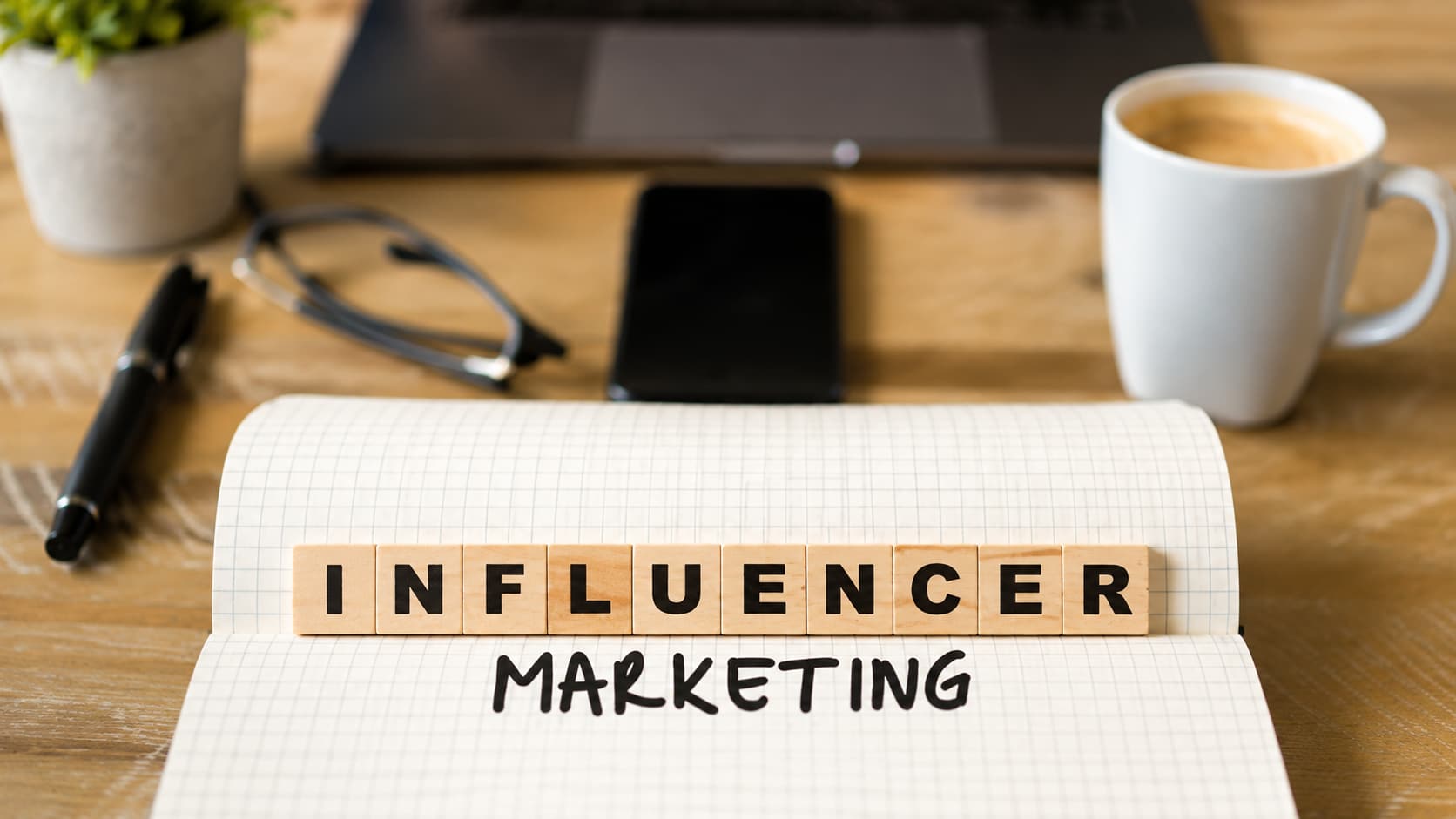
Influencer marketing involves influencers creating content that promotes a brand’s products or services; in return, the brand compensates the influencer.
Brands are increasingly turning to influencer marketing to reach their target audience effectively. Why? Because influencers have highly engaged followers on social media, their followers trust and believe them. Also, influencers are experts at creating authentic content that resonates with their audience. So, partnering with an influencer who fits the demographics of a brand target audience is an excellent way to leverage trust, create brand awareness and drive sales. “From a mere $1.7 billion in 2016, influencer marketing grew to have an estimated market size of $16.4 billion in 2022. Furthermore, this is expected to increase 29% to an estimated $21.1 billion in 2023,” according to Influencer Marketing Hub.
Read more: Influencer Marketing: A Win-Win Strategy
How to measure an influencer marketing campaign?
You can use several methods, but I am going to talk about Return on Investment (ROI) and ROAS (Return on Advertising Spend)
ROI, or return on investment, measures the profitability of an investment. It measures the profit or loss an investment generates relative to the initial investment’s cost. For example, social media ROI measures the revenue generated by a social media campaign close to the cost of the campaign.
ROAS, or return on advertising spend, is a metric used to measure the effectiveness of advertising campaigns. It calculates the revenue generated for every dollar spent on advertising. ROAS is particularly useful for social media campaigns designed to generate revenue directly.
To illustrate the difference between social media ROI and ROAS, consider a hypothetical example. Suppose a business invests $10,000 in a social media campaign that generates $15,000 in revenue. The social media ROI would be calculated as follows:
ROI = (Revenue – Cost of Campaign) / Cost of Campaign ROI = ($15,000 – $10,000) / $10,000 ROI = 0.5 or 50%
In this case, the social media campaign generated a return on investment of 50%.
Now, let’s calculate the ROAS for the same campaign. Suppose the business spent $5,000 on advertising during the campaign. The ROAS would be calculated as follows:
ROAS = Revenue / Cost of Advertising ROAS = $15,000 / $5,000 ROAS = 3 or 300%
In this case, the social media campaign generated a return on advertising spend of 300%.
Real-Life Case Study: #AdobexMadeHere
Adobe is a software company that offers creative tools such as Photoshop, InDesign, and Illustrator. Adobe hired WE, one of the biggest communications agencies in the world, to promote its Creative Cloud suite of applications.
WE, the agency, picked a team of young designers, artists, illustrators, photographers, and filmmakers from across Asia to partner up, creating anything they want, but with the condition that they need to embrace “creating anywhere, at any time.”

Quoting from the WE website:
“These creatives had never met before, were spread thousands of miles apart, and worked across entirely different mediums. Using Adobe’s Creative Cloud apps, they were able to create fantastic artwork, designs, and videos, highlighting the seamless cloud-sharing functionality of Adobe’s apps and challenging the perception that its apps are best suited to stationary studio environments.
Across five time zones, the influencers shared their artwork and behind-the-scenes footage through their Instagram Stories. Participants promoted each other’s work and directed followers to Adobe’s website to view the entire collection. We then flipped this digital exhibition into a real-life multimedia gallery exhibition at a renowned Sydney venue, engaging deeply with young creatives and emphasizing Adobe’s role as a facilitator for the creative community. Hundreds of inspired artists met at the event and networked — many for the first time.
The content was also featured on Adobe’s social channels and boosted using paid social media tactics, extending the campaign’s reach, amplifying the message of creative freedom, and encouraging users to try Creative Cloud.”
RESULTS:
- $500,000 made in subscription revenue
- 1,500 subscriptions gained
- 7x return on investment (ROI)
- Highly Commended Winner of Best Influencer Strategy at Mumbrella CommsCon Australia 2020
Discover more from Guillermo Wolf
Subscribe to get the latest posts sent to your email.
