
Customer service, customer experience, and loyalty are interconnected aspects that significantly build strong customer relationships.
Customer service refers to customers’ support and assistance during their company interactions. It addresses customer inquiries, resolves issues, and ensures customer satisfaction with individual transactions. A positive customer service experience can leave customers feeling valued and well-cared for.
Customer experience, on the other hand, encompasses the overall journey and perception a customer has throughout their interactions with a company. It extends beyond customer service interactions and includes product quality, ease of use, brand reputation, and emotional connection. A positive customer experience involves delivering a seamless, enjoyable, memorable experience at every touchpoint.
When customers have positive experiences and receive excellent customer service, it fosters customer loyalty. Brand loyalty refers to customers’ commitment and preference towards a brand or company. Loyal customers continue to choose a particular brand repeatedly, make repeat purchases, and often become brand advocates, recommending the company to others. Positive customer experiences and exceptional customer service contribute to building loyalty by creating trust, satisfaction, and an emotional connection with the brand.
Why do customers keep coming back?
According to Patrick Bet-David, people keep coming and buying your products or services for six reasons. These reasons are:
- Fast response times, delivery, and problem resolution improve customer experience. Example: You are working and want to go out for lunch; you have one hour to lunch, you get to a restaurant, get a table, and food takes 30 minutes to arrive, and the waiter takes 15 minutes to provide you the bill, probably you won’t return to this restaurant.
- Cheap: If customers perceive your product or service as affordable and cost-effective compared to alternatives, they are more likely to choose you again. Example: You want to eat and go to this restaurant when you know you will get lunch for $15 with beverages and dessert.
- Luxury: Some customers seek a premium or luxury experience. If your product or service provides a sense of exclusivity, superior quality, or special features that create a luxurious experience, customers who appreciate luxury will be more inclined to return for future purchases. Example: You want to have dinner and make reservations to the fabulous Italian restaurant with an Intracoastal view in Fort Lauderdale.
- Customer Service: Good customer service builds trust, loyalty, and satisfaction, making customers want to return. Example: You call your mobile phone company because you saw two international calls in your bill that don’t belong to you; a customer service representative picks up the phone and solves the problem, gives you credit, and apologizes.
- User-Friendly: Ease of use and convenience are key factors in attracting repeat customers. Suppose your product or service is user-friendly, intuitive, and easy to navigate. In that case, customers will have a positive experience and will be more likely to continue using it. Example: Apple products are very user-friendly example their phones work without a problem and are very easy to use.
- Quality: Providing high-quality products or services is fundamental for customer retention. Customers who perceive your offerings as reliable, durable, and meeting their expectations will likely become loyal customers. Example: Kirkland brand from Costco has an excellent reputation for quality and trust; people buy the products and expect excellent quality.
5 Factors to Take into consideration when developing a customer experience
“Customers want to experience and engage on their terms, and they expect seamless integration of online and in-person interactions with your company.” (G. Tomas M. Hult Harvard Business Review) In other words, businesses must design and integrate their customer journeys considering all the online and offline factors to offer a holistic approach and create a positive customer experience. These are five factors I consider essential when developing a customer experience.
- Customer-based approach: Place the customer at the center of your business strategy. Understand their needs, preferences, and pain points through market research, customer feedback, and data analysis. Design your customer experience initiatives around meeting and exceeding those needs.
- Consistency and Omni-Channel Integration: Provide a consistent experience across all customer touchpoints, whether in-person interactions, online platforms, mobile apps, or customer service channels. Seamlessly integrate these channels to ensure a cohesive and connected experience.
- Personalization and Customization: Tailor your offerings and interactions to individual customers to create a personalized experience. Leverage customer data to provide relevant recommendations, customized messaging, and targeted offers. Customers appreciate feeling understood and valued as individuals.
- Empowered Employees: Engage and empower your employees to deliver exceptional customer experiences. Invest in training programs to enhance their customer service skills, product knowledge, and problem-solving abilities. Authorized employees can make a positive impact on customer interactions.
- Continuous Feedback and Improvement: Regularly seek customer feedback and actively listen to their suggestions and concerns. Use customer feedback, surveys, and analytics to identify areas for improvement and innovation. Continuously refine and enhance your customer experience initiatives based on these insights.
Case Study: Blank Street wants to compete with Dunkin and Starbucks
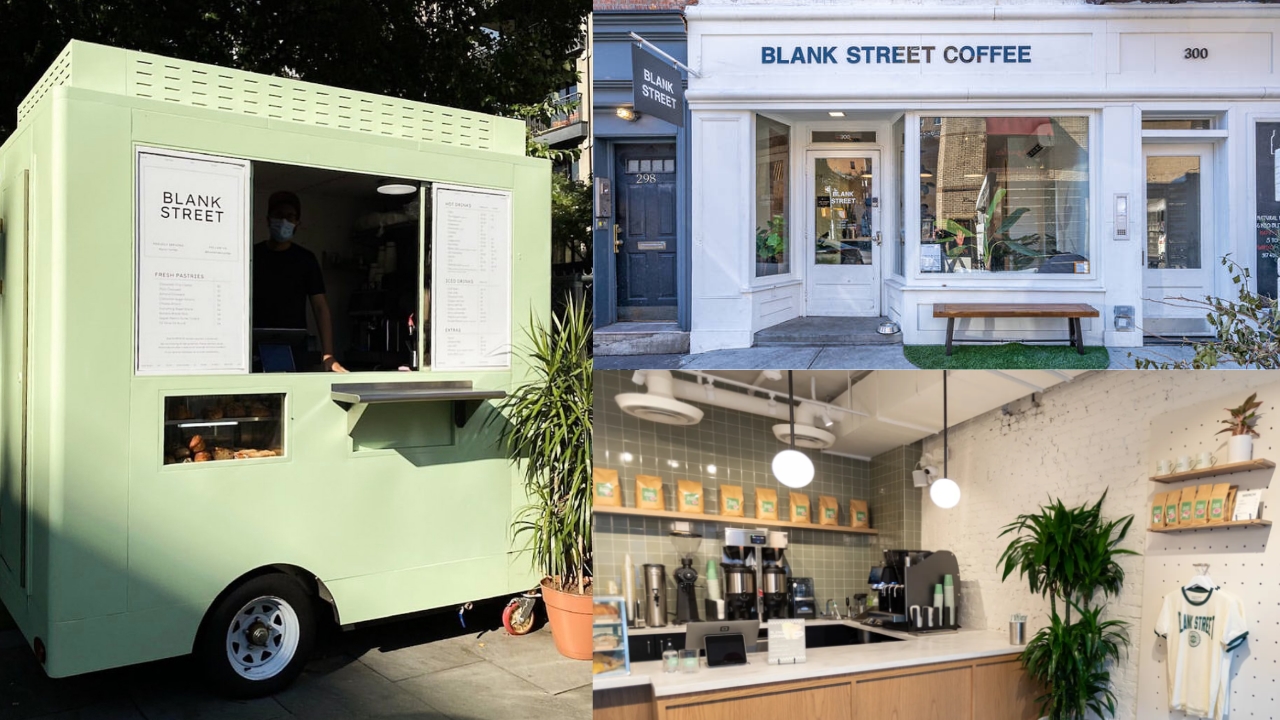
A high-tech omnichannel approach to a coffee shop
A new coffee shop competitor for Dunkin and Starbucks has entered the market in New York City. Blank Street Coffee Shop is a startup founded in 2000 in Brooklin, New York, by Issam Freiha and Vinay Menda. This Coffee Shop chain offers quality coffee cheaper than Dunkin and Starbucks. Their business model is based on high-tech coffee machines in small format stores, around 400 to 500 square without tables or chairs. They don’t require a specialized barista; their coffee machines can prepare a cappuccino, latte, or espresso by pressing a button faster than a human barista. In addition, customers can pay ahead of time on the mobile app. The whole idea is the barista can build a strong relationship with the customers instead of investing time preparing a coffee. Also, the app integrates the entire process with the store. Also, they only require one or two staff members to operate the coffee shop.
From start to finish, they offer a complete customer experience, all the marketing strategies are aligned, and the stores, the app, and the high-tech coffee machines aim to provide high-quality coffee to all the mourning routine coffee drinkers at an affordable price and faster service.
In conclusion, businesses prioritizing customer experience tend to foster stronger brand loyalty, creating a foundation for long-term success and sustainability.
