
What is omnichannel marketing?
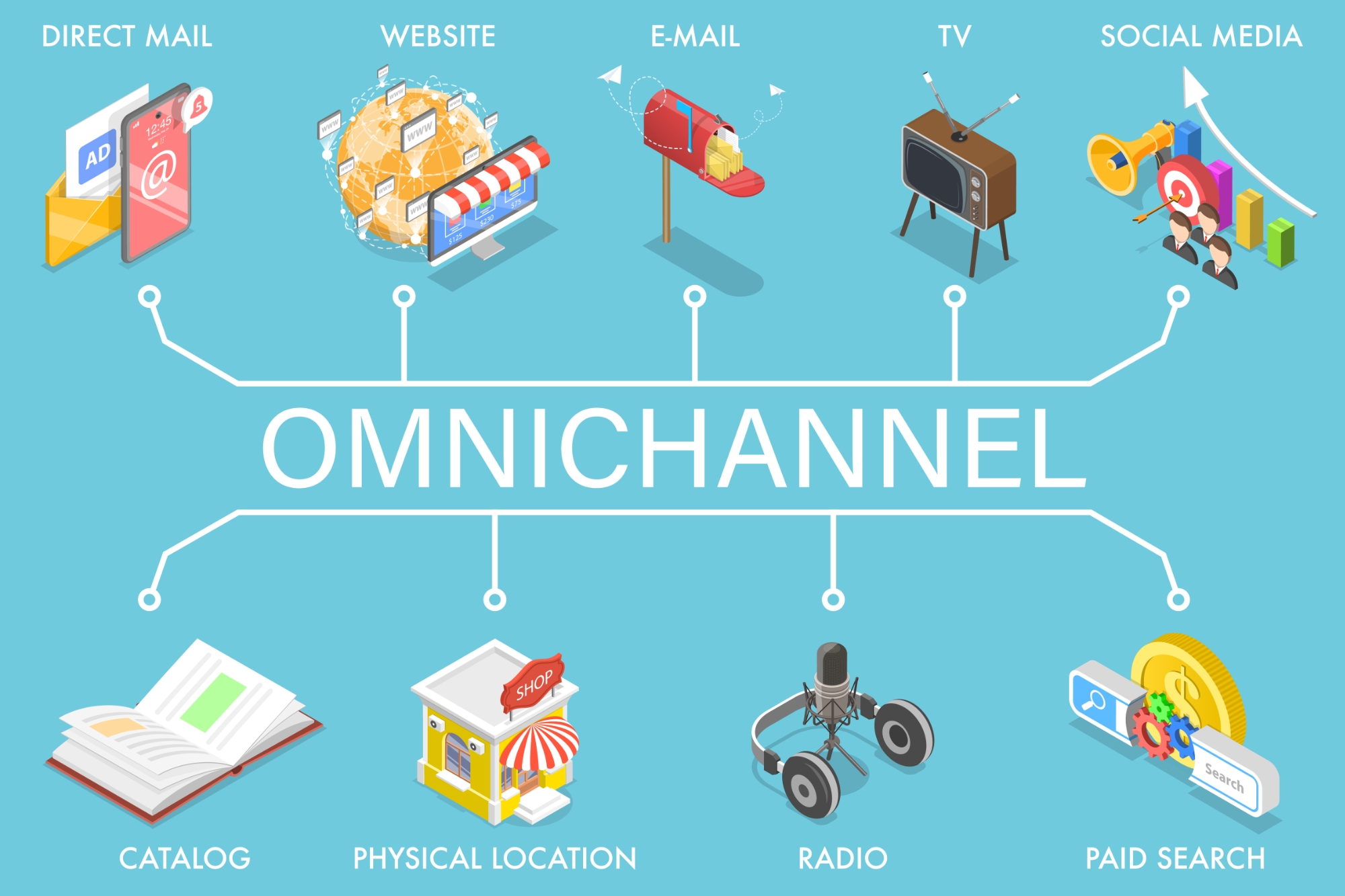
Omnichannel marketing is a multichannel approach to marketing, sales, and customer service that provides customers with a consistent experience across all marketing channels and touchpoints. This approach aims to integrate businesses’ various channels and platforms to interact with customers, such as physical stores, online stores, social media, mobile apps, email, and more.
According to the Wharton Business School of the University of Pennsylvania, “An omnichannel approach maps customer personas and considers what journey that customer takes with a brand across various platforms and devices. The brand then strategizes how to create an exceptional customer experience throughout the buyer’s journey.”
A simple example of an omnichannel campaign from a bank and consumer perspective
Sunrise Bank
Now let’s imagine you work in the marketing department of Sunrise Bank. You are about to launch the new “Sunrise Reward Credit Card,” which offers exceptional rewards and a special zero percent introductory offer to new cardholders. The campaign started with an email sent to existing customers who didn’t have a credit card with the bank. The email, personalized with each customer’s name, outlined the exciting rewards and benefits of the Sunrise Rewards Card. It included a clear call-to-action that directed customers to a beautifully designed landing page on Sunrise Bank’s website, where they could apply for the card. In addition, eye-catching visuals and engaging content flooded the bank’s Facebook and Instagram pages on social media, showcasing the “Sunrise Rewards Cards.” At the same time, Sunrise Bank’s branches transformed into a visual celebration of the Rewards Card. Posters, brochures, and digital displays adorned the walls, and branch staff enthusiastically shared the benefits of the new credit card with customers visiting the bank. As you can see, all the strategies, goals, and tactics are aligned to promote and sell the new product. That’s an omnichannel marketing experience from a business perspective.

Rita Brugger
Rita is a young and ambitious entrepreneur; she decided to open her first small business. She needed a reliable bank to manage her finances, and her friend Otto always talked about Sunrise Bank and its fantastic services. One day when Rita was scrolling through her Instagram account, she saw an ad from Sunrise Bank advertising a new Reward Card offering an attractive rewards program and a zero-interest introductory rate, so Rita clicked on the ad and got into a beautiful landing page explaining the benefits of this new card, she signed up to get more information. The following day, she got an email warmly welcoming her as a potential new customer and provided more details on the Rewards Card and the limited-time introductory offer. To learn more, Rita decided to visit a nearby Sunrise Bank branch. Upon entering, she noticed promotional materials and displayed the Rewards Card, consistent with the messaging she had encountered online. A friendly and knowledgeable banker named Anthony greeted her and answered all her questions about the card. Anthony helped Rita open a new account and apply for the Sunrise Rewards Card, making the process simple and enjoyable. He even mentioned the bank’s user-friendly mobile app, which Rita could use to manage her accounts, make payments, and redeem her rewards. As Rita left the branch with her new Sunrise Rewards Card, she received a welcome notification from the Friendly Bank app on her phone. Excited, she downloaded the app and found it easy to use, with all the features she needed to manage her finances and rewards seamlessly. That’s an omnichannel marketing experience from a consumer experience.
Five omnichannel marketing strategies a financial service can use
- Personalized marketing campaigns: Financial institutions can leverage customer data to develop customized marketing campaigns tailored to their target audience’s needs, preferences, and financial goals. By segmenting customers based on demographics, behaviors, or transaction history, banks can create targeted messaging and offer to engage customers across various channels, such as email, direct mail, social media, and in-branch promotions.
- Content marketing across channels: Banks can create and distribute valuable, informative, and engaging content that addresses the needs and interests of their target audience. This content can be blog articles, videos, infographics, webinars, or podcasts, shared across multiple channels such as websites, email newsletters, and social media platforms. By consistently delivering high-quality content, financial institutions can position themselves as industry thought leaders and foster customer loyalty.
- Seamless and integrated customer experience: Financial institutions should strive to provide a seamless and integrated experience across all customer touchpoints, including online and offline. This includes maintaining a consistent brand identity, tone of voice, and messaging across all marketing materials and channels and ensuring that customer support and services are readily available through various communication channels such as phone, email, live chat, and social media.
- Event-driven marketing: Banks can leverage event-driven marketing to send timely and relevant communications to their target audience based on specific events or triggers, such as account anniversaries, birthdays, or changes in interest rates. These personalized messages can be delivered through multiple channels, such as email, SMS, push notifications, or direct mail, to maintain a consistent and engaging customer experience.
- Utilizing data and analytics for optimization: Financial institutions should continuously test, measure, and optimize their omnichannel marketing strategies based on data-driven insights. By closely monitoring campaign performance across all channels, banks can identify areas for improvement and make informed decisions about marketing strategy adjustments. This process of testing, learning, and refining marketing efforts can help financial institutions better engage their target audience and achieve their marketing goals.
Multichannel marketing vs. Omnichannel marketing
Multichannel marketing uses multiple channels (websites, social media, email, print, and physical stores) to reach customers and promote products or services. However, these channels often operate independently in multichannel marketing, leading to inconsistent messaging, branding, and customer experiences.
On the other hand, omnichannel marketing emphasizes the seamless integration of all channels and platforms used to interact with customers. Omnichannel marketing aims to provide a consistent and cohesive customer experience across all touchpoints, ensuring that customers receive the same messaging, branding, and level of service no matter what channel they choose to engage with a business.
