

Impulse buying refers to the act of purchasing without prior planning or consideration. It is a buying behavior characterized by sudden and unplanned purchases, often driven by emotions, desires, or immediate needs. Impulse purchases can range from small, inexpensive items like candy or magazines to larger, more expensive purchases like clothing, electronics, or even a car.
“The importance of impulse buying in consumer behavior has been studied since the 1940s since it represents between 40.0 and 80.0% of all purchases.” (from an article published at the National Library of Medicine) 40 to 80% of all purchases is a very high percentage. An Impulse buying can lead to compulsive buying which is “an excessive, repetitive irrepressible obsession, urges or behavior related to shopping which causes subjective sufferings and impaired functioning (Black, 2007 – Published on Academy of Marketing Studies Journal).”
Impulse buying can have positive and negative effects, as it can provide immediate gratification and excitement. Still, it can also lead to obsessive consumer behavior that can impact a person’s personal finance.
What motivates an impulse purchase?
There are several factors:
- Emotions: Strong emotions such as excitement, boredom, stress, or happiness can trigger the desire to buy impulsively. People may buy to alleviate or enhance their feelings.
- Limited availability or time: Limited availability or time of a product can create a sense of urgency, leading people to buy impulsively before the opportunity is gone.
- Peer pressure: Peer pressure can influence impulsive buying, as people may need to keep up with friends or colleagues making purchases.
- Advertising and marketing: Advertising and marketing techniques such as persuasive messaging, attractive packaging, and limited-time offers can also prompt impulsive buying.
- Personal preferences and interests: People may have personal preferences or interests that lead to impulse buying, such as a love of fashion, gadgets, or food.
- Immediate needs: Immediate needs such as hunger, thirst, or a need for a specific item can also lead to impulsive buying.
Marketing Techniques to take advantage of impulse shoppers
- Limited-time offers: Creating a sense of urgency through limited-time offers can prompt consumers to make a purchase before the opportunity is gone.
- Discounts and deals: Offering discounts or deals can make a product seem more attractive and valuable, encouraging consumers to make a purchase.
- Persuasive messaging: Using persuasive messaging and language can play on consumers’ emotions and desires, prompting them to make a purchase.
- Eye-catching displays: Creating eye-catching displays with attractive packaging and prominent placement can draw consumers’ attention and lead to impulse purchases.
- Social proof: Using social proof, such as customer reviews or testimonials, can create a sense of trust and reliability, making consumers more likely to make a purchase
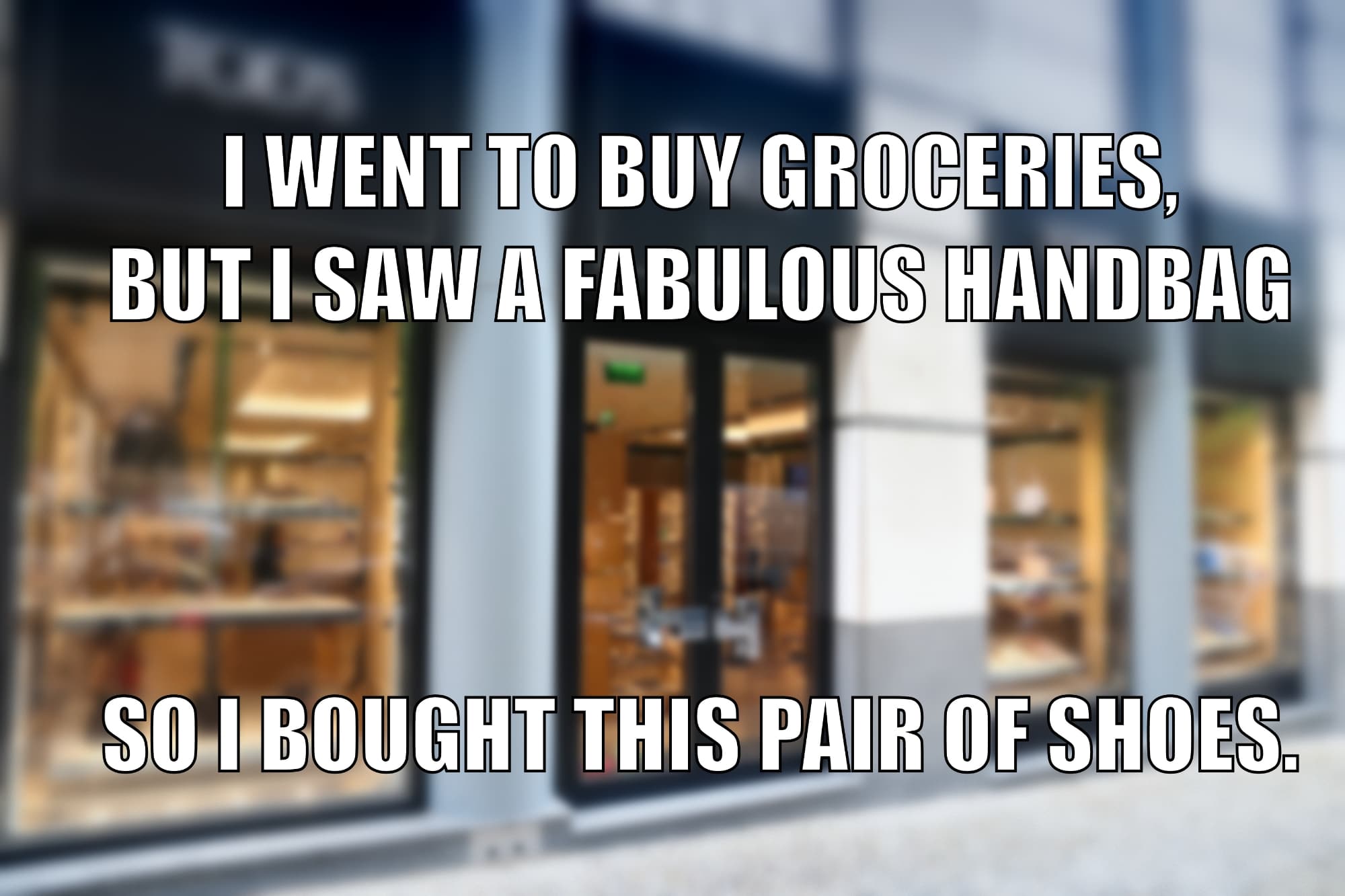
Is it ethical to take advantage of impulse shoppers?
The short answer is yes. But there are situations and techniques that can cross the thin line between persuation and manipulation. For example, if a seller is intentionally using manipulative tactics, such as creating false scarcity, making misleading claims, or exploiting a customer’s emotions, in order to induce an impulse purchase, then that could be considered unethical.
How to stop a impulsively shopping behavior?
Before buying something make yourself the following question: Do I want or need this product? If the answer is I want it, so don’t buy it. If you need it buy it, but make a plan to buy it. Do not buy a product you need guide by your emotions. Think in the financial consequences. If you buy it using your credit card, pay the total amount you owe before getting charge by high interest rate.
If you are consumer and want to stop your impulse or compulsive shopping behavior, Rachel Cruze an author from Ramsey Solutions in a recent article, proposed de following:
- Make a budget and stick to it.
- Wait a day before you make your purchase.
- Shop with a plan in mind.
- Beware of joining too many email lists.
- Don’t shop when you are emotional.
- Bring someone with you when you shop.
- Take only the amount of cash you will need.
- Stop the comparisons.
- Get off social media.
- Erase your cards from your computer and mobile devices.
- Ditch the credit card(s).
