
Selling a product or a service without knowing your target audience is like a blind person driving a car.
The short answer is yes. Each person is different and can differ from others by personality, religion, financial/economic situation, lifestyle, beliefs, language, age, etc. Also, they can have different motivations, perceptions, etc. So cultural, social, and personal factors can affect the customer’s journey.
Remember that the consumer journey represents the consumer buying process, in other words, the steps a consumer takes to purchase a specific product or service.
Selling a product or a service without knowing your target audience is like a blind person driving a car. Opening a restaurant that only sells pork products in a high-density populated area by either people practicing religions like Judaism or Islam can be a recipe for failure, or opening an indoor soccer field in an area surrounded by 55 years and old people might not be a clever idea.
The importance of market research
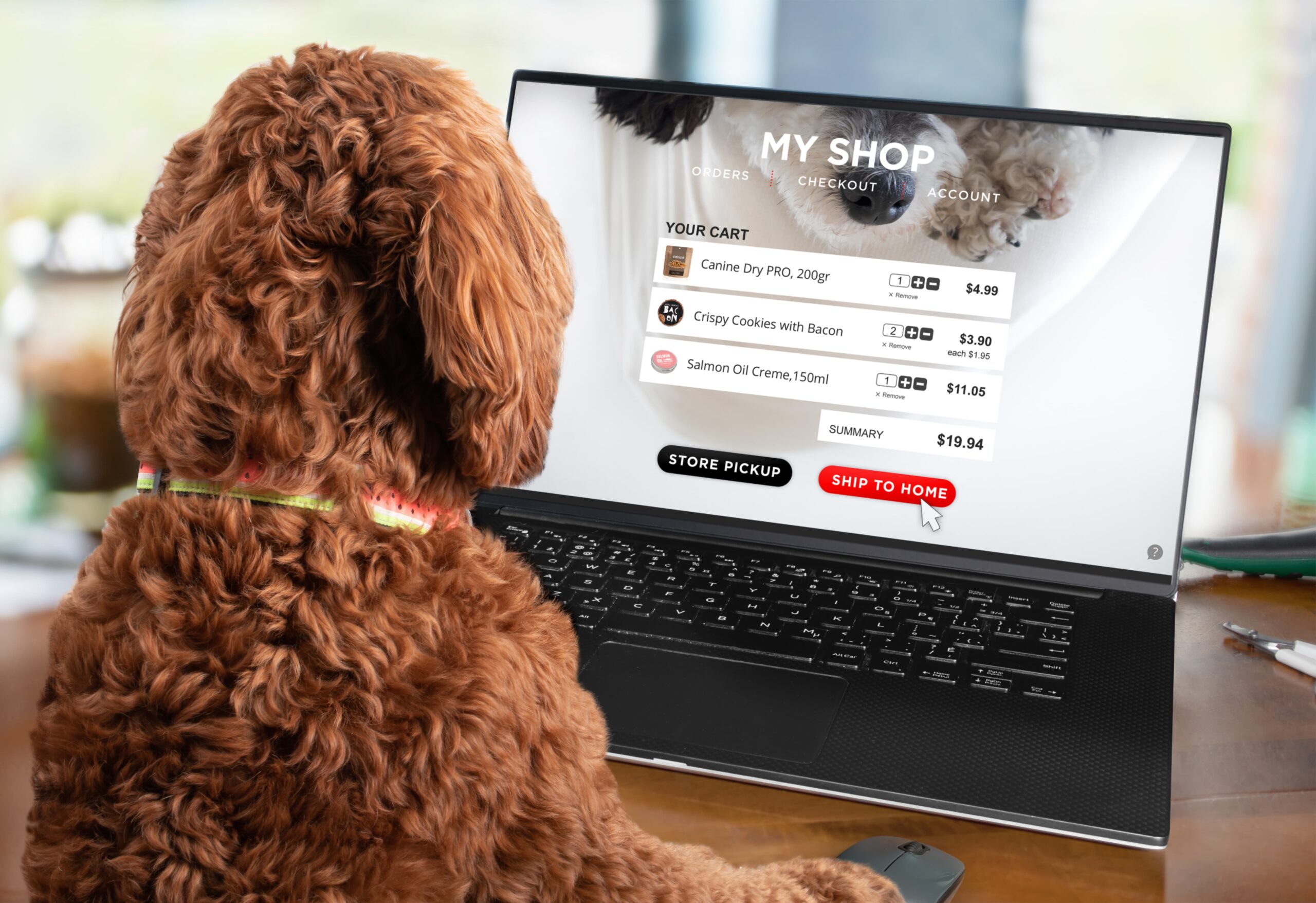
One of the first things you need to do when having an idea to sell a product or service does market research. Imagine you want to sell pet food and treats online.
The first thing you need to do is do a simple search to determine where your competitors are, how big the market is, where the suppliers are, and who your target audience is.
A simple Internet search can give you some preliminary information like Pet food and treat sales in the U.S. increased 9.7% in 2020, adding US$3.7 billion (about $11 per person in the US) for a total of $US42 billion for the year, according to the American Pet Products Association (APPA).
Other exciting data is around 80 million persons are pet owners; from that number, 38% own dogs, and 25% own cats in the United States per the American Veterinary Medical Association. Millennials constitute 27% of all pet owners, and Baby Boomers are around 47% per PawlicyAdvisor
Now you know the pet food industry is a vast market, also, you know that 38% of pet owners in the USA own a Dog and 47% of pet owners are baby boomers or people between the ages of 55-75 years old.
Dog owners are different from Cats owners.
Differences Between Dog and Cat Owners per pawlicyadvisor.com
- Dog owners are twice as likely to work in the financial field than cat owners.
- A cat owner is four times as likely to work in creative fields as a dog owner.
- Dog owners are more likely to enjoy hobbies like sports, dancing, and travel.
- Cat owners are more likely to enjoy hobbies like reading, writing, and gardening.
- 70% of cat owners credit their pets with stress reduction, compared to 66% of dog owners.
- 45% of dog owners say their dogs improve their lives through exercise, compared to just 8% of cat owners.
- Dog owners are twice as likely to celebrate their pet’s birthday with a party than cat owners.
Imagine you decide to target dog owners, it is not a law, but most of this segment of people are in the financial field, enjoying sports and traveling. A person in financial professional might have a different lifestyle, beliefs, and personal factors than a person who is a doctor or an artist.
To succeed in a personal project like the example of the pet food and treats online shop, it is essential not only to know the market and the product but also to know who your brand persona or the person is who describes in detail who represents your target audience; this is the path to build a successful customer’s journey and success business.
