
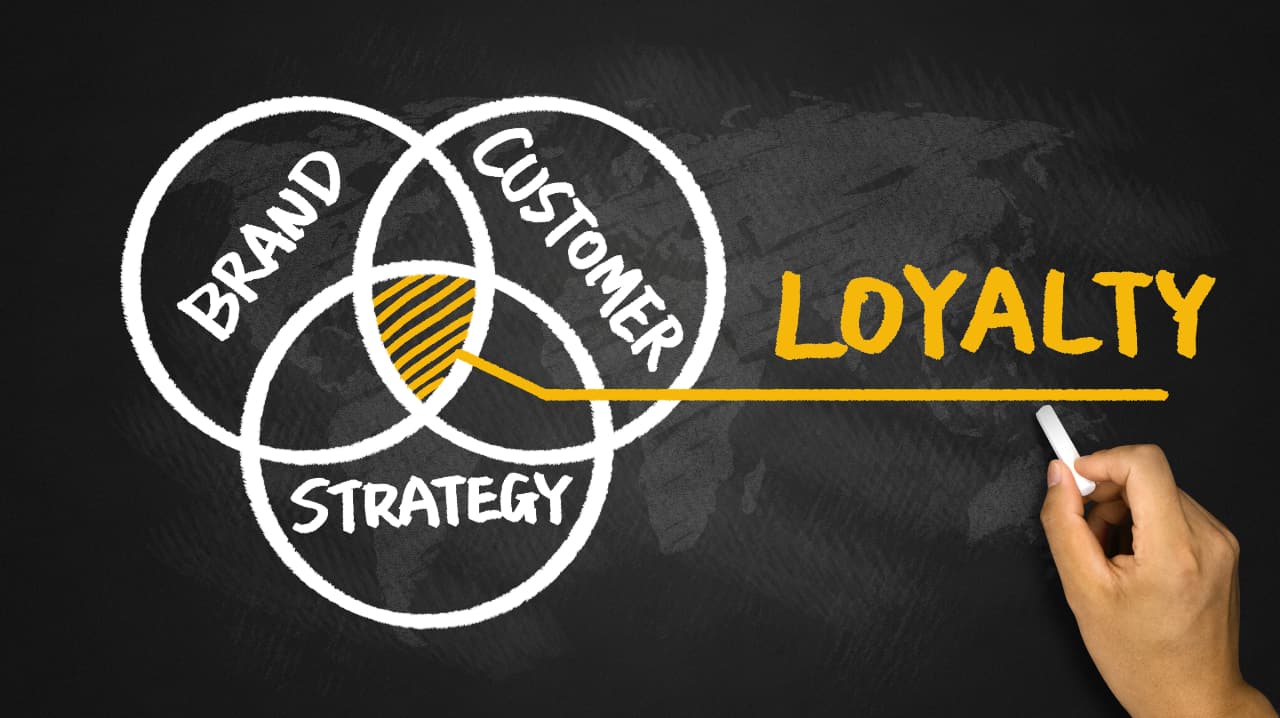
Each person has their preferences and their own opinion of certain brands
Brand loyalty is the trust a customer feels toward a particular brand that pushes them to buy their products or services, regardless of price, competitors, convenience, and even quality.
There are different levels of loyalty. A customer who is loyal to a brand may start buying or using other services because pricing no longer is within their budget. But for some people, price is not an issue, and they will support their preferred brand even though now the product is more expensive or hard to find, or even some negative comments have affected the brand. Other people will buy the product because
Each person has their preferences and their own opinion of certain brands. Person A will like carmaker Ford and can buy only Ford cars forever, others will love the Audi brand, and no matter what, this person will buy this card brand repeatedly. Others will buy Apple computers and other HP computers no matter what. A brand loyalty is something personal.
Why brand loyalty is important?
One of the main reasons is because, in most cases, It is harder to acquire new clients that maintain the current base of clients. If a brand has strong consumer recognition, its marketing efforts will be less expensive than a new brand. A consumer who has been using Listerine mouthwash for a long time, it might be because he recognizes the brand, like the product, the quality, the price, and the convenience, he is most likely to keep using the brand and recommend the brand product to family and friends. But Maybe the reason is just that “Inertia”, in other words, well It’s Listerine, and I like it, I just buy it.
A friend can recommend a different brand to him, tell him, listen, Listerine can harm your health, or I don’t like it because my dentist said that Scope is better for my gums. Suddenly this loyal Listerine consumer switched to Scope, tasted it for a while, and then, after making the comparison, he might decide to return to Listerine or maybe not.
By a Report by Edelman, 67% of consumers say they need to trust the brand behind a product or service. Having a good reputation isn’t enough. So It is evident that building a brand, a name, and a reputation paid off in the long term.
How to increase customer retention?
One excellent a non new a idea is to implement a loyalty program. Loyalty programs are designed to increase consumer retention. A report from REDUX, published by HUBSPOT mentioned that 79% of consumers say loyalty programs make them more likely to continue doing business with brands.
They grow brand loyalty by offering benefits, rewards, sweepstakes, contests, offers, rebates, etc., to people who join the program. So these are available only to consumers who are part of the program, not for everybody.
A classic example is Walgreens or CVS Pharmacy rewards programs, you register for free, and by entering your phone number when you pay at any store or by login to their websites and shopping, you will earn points, receive discounts,, and even some money rewards. Same thing with Airline miles rewards from frequent travelers. Marketers knows that It’s important to reward in so how the consumer loyalty.
How to measure the success of a loyalty program?
Some of the most important loyalty program KPIs are:
- Member acquisition
- Retention rate
- Churn rate
- Reward redemption rate
- Purchase frequency
- Average order value
- Customer lifetime value
- Refunds rate
Brand loyalty is more important than ever, consumers are more educated and have access pretty much in real time to any product or service provider using Google, Bing, Yahoo, Facebook/Instagram, Twitter, Amazon, etc. The Internet is the new word of mouth. Good reviews can increase your market share and a bunch of bad reviews can hurt your brand. You have to understand your customers and take care of them if you want to succeed.
