
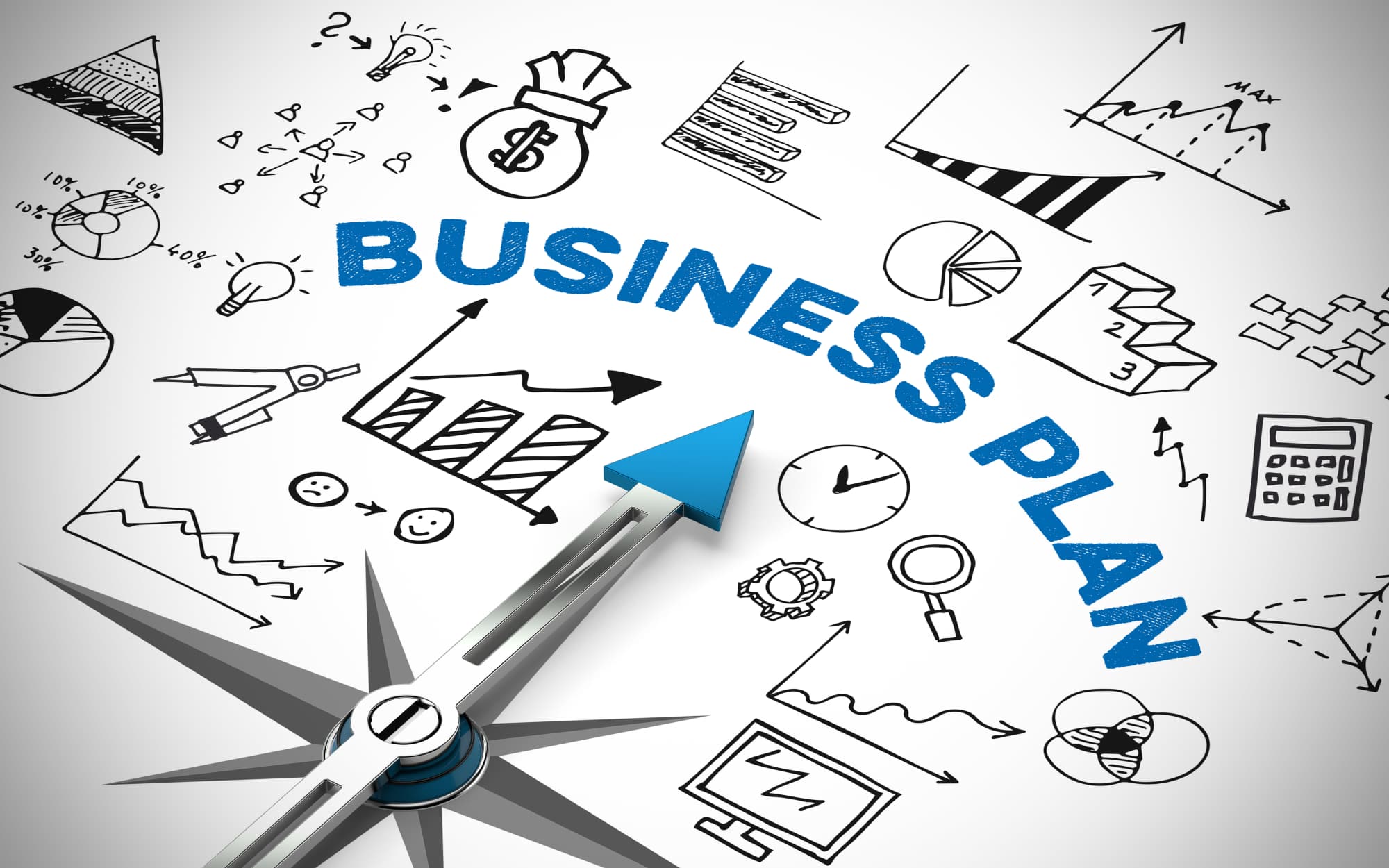
Marketing execution is about taking your marketing strategy and putting it into place.
Execution is one of the essential parts of a business plan. Suppose you have planned all the business plan stages, from market research and defining your target audience to budgets, promotions, and pricing. You can either leave everything on a computer document or take the risk and execute. Sound easy, right?
Do you know what the parts of a business plan are?
Let me explain or describe the parts of a business plan briefly.
- Executive Summary. You include your mission, vision, objectives, and value proposition.
- Market Research. You check your competitors, buying persona, who your buyers are, and your Strengths, weaknesses, Opportunities, and Threats.
- Strategy. You define your target audience, do market segmentation, work on your marketing mix, what will be your customer journey and your marketing funnel, and define your products, promotions, distribution, price strategy, etc.
- Execution. You execute or put your plan into a reality; you test and launch. Marketing execution is about taking your marketing strategy and putting it into place.
- Analytics. You evaluate your plan, monitor your progress, make an adjustment, pause, resume, and consider new objectives.
Many variables and moving parts can be challenging when executing a business plan.

A business plan to launch a product or service is complex because you have many moving parts and variables, you can have a great business plan, but then you can have many departments involved: marketing, sales, finance, public relations/communications, manufacturing, and supply chain, distribution, customer services, post-sales services, etc.
You need to align all the pieces, persons, departments, and outsourcing sources, to mention a few, with the objectives and goals of your business plan.
Imagine you are launching a new online store to sell sports nutritional products in march 2020, everything was in the plan, and then a global pandemic hit us. You started to sell pretty well, but then the supply chain started to fail, and you had a shortage of products, and your sales went down. On top of that, Google restricts your category, and you can’t promote and use Google Ads.
You can think, well, it is time to stop. That probably will be the more straightforward solution. But maybe you must take this unpredictable event to re-think how you can redefine your business goals and objectives to succeed. Maybe create your private label of products available in the market, use social media influencers to promote your products, and work around the Google issue.
It would always be best to think positively, find a solution to problems, and not let the first storm hit you, to give up on pursuing your business goals.
How do evaluate if the business will be a success or fail?

Well, it all depends on your goals and objectives and what your KPIs are
After launching your plan, you will need to monitor your metrics; if you want brand awareness, remember that your metrics will be clicks, likes, followers, web sessions, bounce rate, click-through rate, etc. But if your goal is to generate leads, your KPIs will be leads, phone leads, cost per acquisition, cost per conversion/enrollments, contact ratios, etc.
If your goal is only brand recognition, establish a baseline, and check your status on all the digital platforms and traditional media. Then evaluate if the plan increases or decreases your brand image/equity.
If your goal is to generate leads, this will be easier to measure by financial indicators in your business plan. For example, suppose your goal is to get 5,000 leads per month with 10% conversion and a cost per conversion of $250. In that case, you will see the results quickly if you promote with digital campaigns. Traditional media is a little different.
For digital, I suggest running your campaigns for at least one month. Better a quarter to see the results. But continuously monitor, adjust, and AB test.
Conclusion
Make your business plan first, check all the moving parts, check the right time, and execute. Then monitor and constantly evaluate, track, and align objectives and goals. Test, test, and test, that’s the key.
